Traffic Rules in Mauritius: 5 Things Every Tourist Needs to Know
So, you have read our guide on driving on the left side of the road and you are ready to book your rental. But before you turn the ignition key, there is one more step: understanding the rules of the road.
While Mauritian traffic laws are based on the British system, we have our own unique “island style” of driving. Knowing the difference between the official laws and the local customs is the key to a stress-free holiday.
Here are the 5 essential traffic rules (and unwritten habits) every tourist needs to know to drive safely in Mauritius.
1. The Priority to the Right Rule is Sacred
We cannot stress this enough: The vehicle coming from the right always has priority.
This applies heavily to roundabouts (traffic circles).
- Approaching a Roundabout: You must yield to cars already circulating from your right. Do not enter until there is a clear gap.
- Unmarked Intersections: If you approach a small junction in a village without stop signs, give way to the vehicle on your right.
- Tip: Roundabouts here can be multi-lane. If you are unsure which exit to take, stay in the outer (left) lane and take it slow. See our full breakdown in the Navigating Mauritius Guide.
2. Speed Limits are Not Suggestions
In some countries, speed limits are “flexible.” In Mauritius, they are strictly enforced by a network of highly accurate speed cameras.
- The Trap: You often won’t see a police car. Instead, you will see a yellow box on the side of the road. If it flashes, the fine is automatically sent to the car rental agency.
- The Limits:
- 30-40 km/h: Villages and residential areas.
- 60-80 km/h: Open roads and coastal drives.
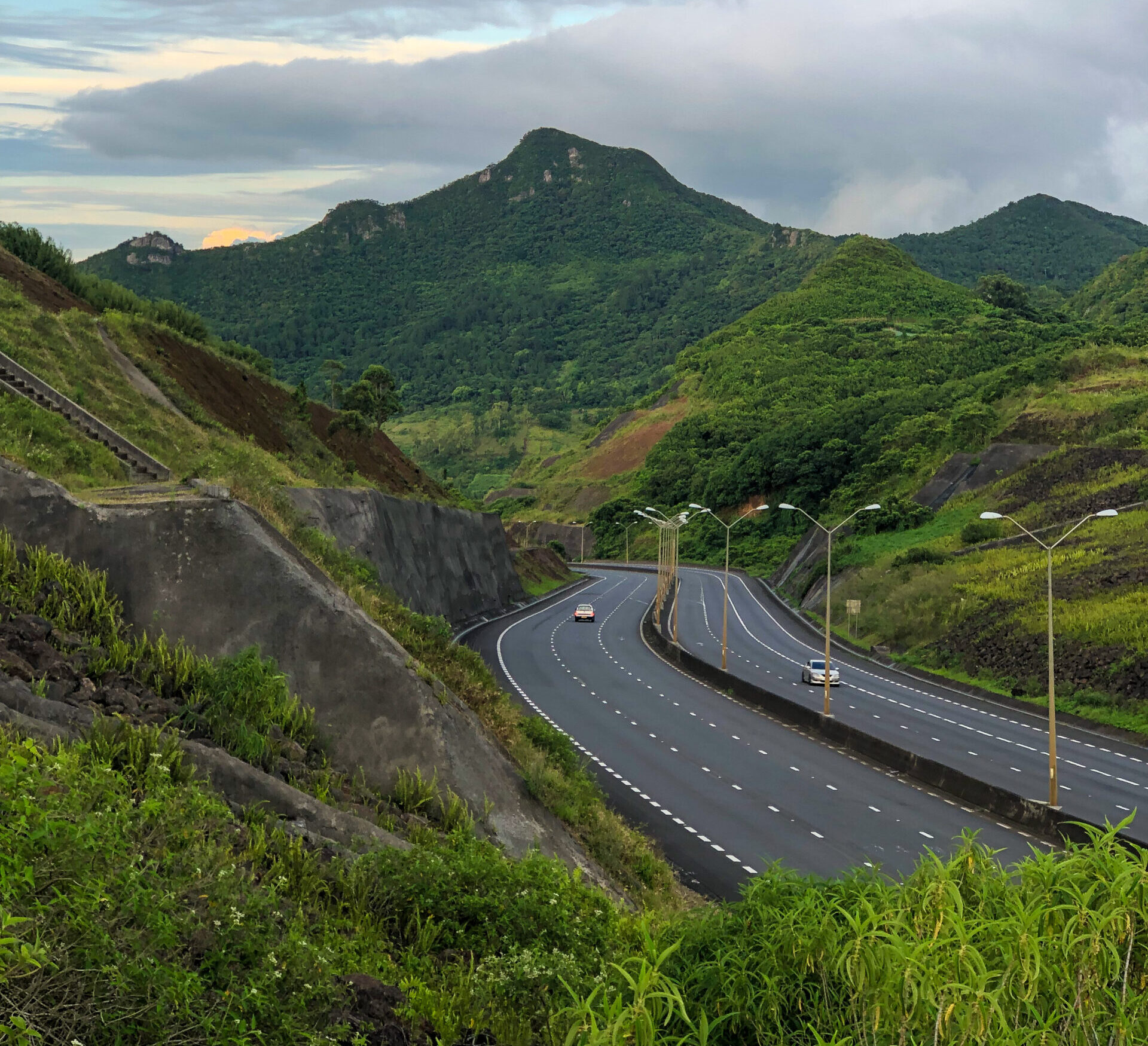
- 110 km/h: The M1/M2 Highway.
Important: There is often no “buffer zone.” If the sign says 60, drive 60.
3. The “Headlight Flash” Language
This is a crucial “unwritten rule” that causes confusion.
In many countries, if a driver behind you flashes their lights, it means “Move over, I want to pass.” In Mauritius, if a driver coming towards you or waiting at a junction flashes their lights, it usually means: “Go ahead, I am letting you pass.”
- Scenario: You are trying to turn right across traffic. An oncoming bus flashes its lights.
- Meaning: The bus driver is signaling that he is slowing down to let you turn. Wave a hand to say thank you!
- Note: If oncoming cars flash you repeatedly on the open road, it usually means there is a police speed check ahead.
4. Overtaking: Stick to the Right
On highways (dual carriageways), the right lane is the overtaking lane. The left lane is for normal driving.
- Don’t be a “Lane Hog”: Once you have overtaken a slower vehicle, move back to the left lane.
- Watch for Motorbikes: Scooters often weave between lanes. Always check your blind spot and side mirrors twice before changing lanes—something that is easier to do in a car with good visibility, like the ones we recommend in our Small Car vs. SUV comparison.
5. Mobile Phones and Seat Belts
Mauritius has a zero-tolerance policy for distracted driving.
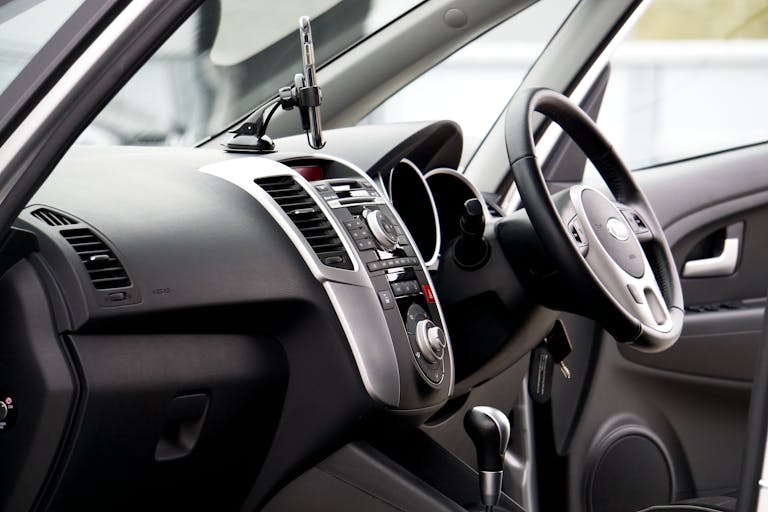
- Phones: You cannot hold a phone while the engine is running—even if you are stopped at a red light. If you need to check Google Maps, ensure your passenger does it, or mount the phone on the dashboard.
- Seat Belts: All passengers, front and rear, must wear seat belts. Police often set up checkpoints specifically to check for this.
Summary: Drive Defensive, Drive Happy
Driving in Mauritius is not aggressive, but it requires awareness. Local drivers can be unpredictable, stopping suddenly to chat with a friend on the street or to pick up a passenger.
Drive defensively, respect the speed limits, and remember that you are on holiday—there is no rush!
Ready to drive like a local? Now that you know the rules, you need a safe, reliable vehicle to practice in. All our cars are fully insured and maintained to the highest safety standards.